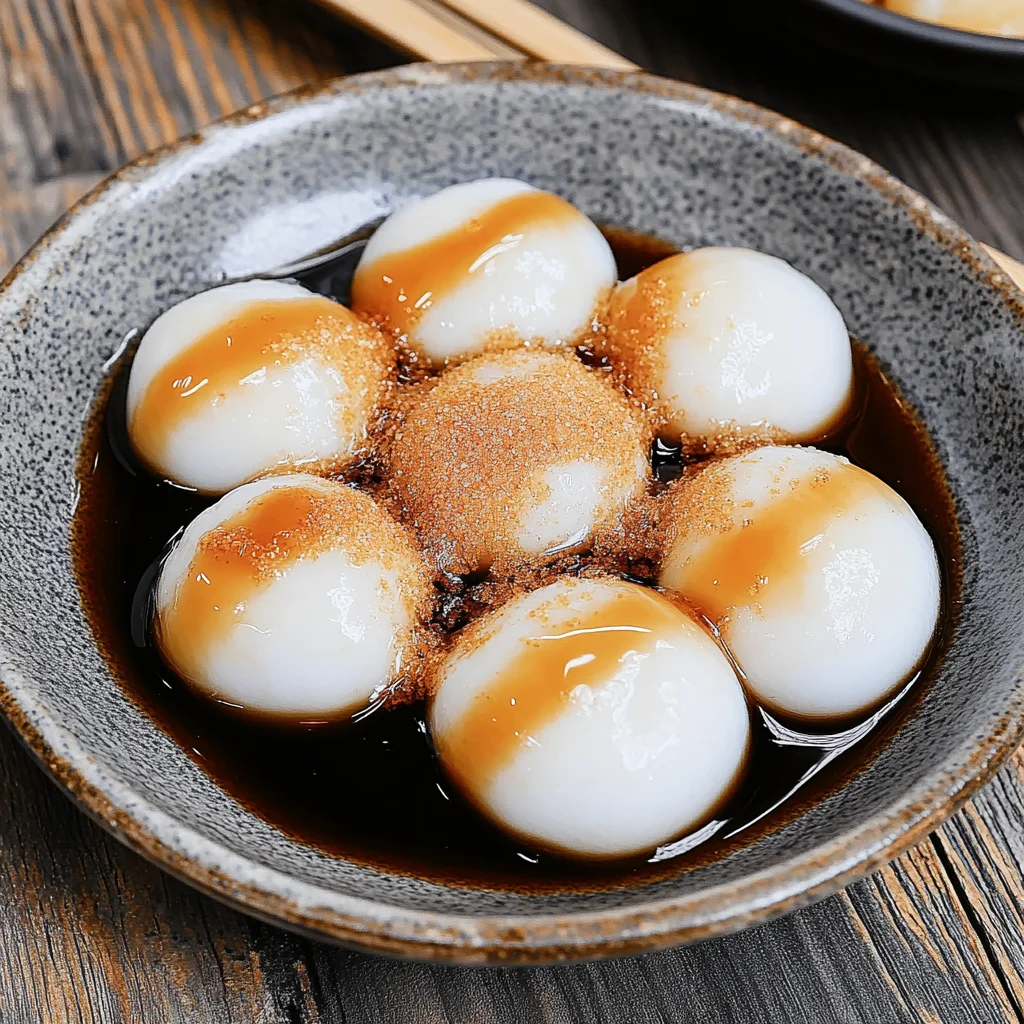
Shiratama Dango (Rice Dumplings/Mochi Balls) are delightful little treats that offer a chewy texture and a subtly sweet flavor. These traditional Japanese mochi balls can be enjoyed in various ways: serve them with fresh fruits, ice cream, or simply drizzle them with syrup for a sweet finish. Their versatility makes them perfect for any occasion, from casual family desserts to elegant dinner parties.
Why You’ll Love This Recipe
- Easy to Make: This recipe requires minimal ingredients and simple steps, making it accessible for anyone.
- Customizable: You can top these dumplings with your favorite syrups or powders, allowing for endless flavor combinations.
- Chewy Delight: The unique texture of Shiratama Dango offers a satisfying chew that is loved by many.
Tools and Preparation
To make Shiratama Dango successfully, having the right tools will help streamline the process. Below are the essential tools you’ll need to create these delightful mochi balls.
Essential Tools and Equipment
- Mixing bowl
- Whisk
- Spatula
- Pot for boiling water
- Mesh spoon
- Baking parchment
Importance of Each Tool
- Mixing bowl: Essential for combining the ingredients evenly.
- Pot for boiling water: Necessary for cooking the dumplings to achieve that perfect chewy texture.
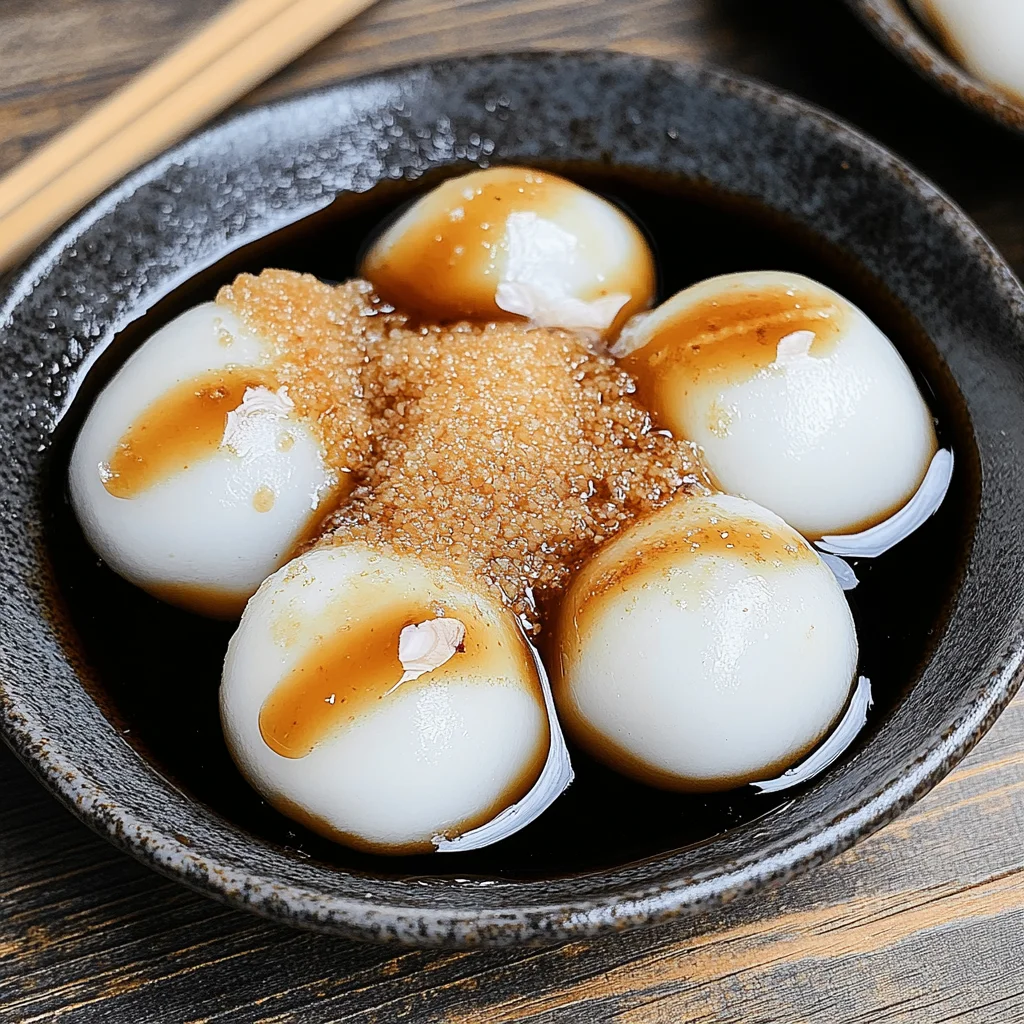
Ingredients
Here is what you’ll need to prepare Shiratama Dango:
For the Dough
- 100 g glutinous rice flour (shiratamako)
- 90 ml water (approx)
Alternative Flour Mix (if using Mochiko)
- 90 g glutinous rice flour (mochiko)
- 10 g potato starch (katakuriko) or tapioca starch
- 80 ml water (approx)
Toppings
- Dark brown sugar syrup (kuromitsu)
- Roasted soybean powder (kinako)
How to Make Shiratama Dango (Rice Dumplings/Mochi Balls)
Step 1: Prepare the Dough
- Measure 100 g of glutinous rice flour (shiratamako) into a bowl and whisk quickly.
- Measure 90 ml of water into a jug and pour half into the bowl.
- If you are using mochiko, add 90 g of glutinous rice flour (mochiko) and 10 g of potato starch. Then, measure 80 ml of water and pour half into this mixture.
- Mix with a spatula, adding the remaining water gradually until a smooth dough forms. Knead between each addition until it resembles the texture of an earlobe.
Step 2: Shape the Dumplings
- Start boiling a pot of water while shaping your dough.
- Cut the dough in half and roll each half into cylinders.
- Slice each cylinder into 10 equal pieces; roll them into balls and press a dent in the center.
- Place shaped dumplings on baking parchment to prevent sticking.
Step 3: Boil the Dumplings
- Once the water is boiling, gently place the dumplings in the pot.
- Nudge them with chopsticks to prevent sticking at the bottom.
- Boil until they float, about 3 minutes.
Step 4: Cool Down
- When all dumplings are floating, set a timer for 1 minute.
- Prepare a bowl of ice-cold water.
- Turn off heat and transfer cooked dumplings with a mesh spoon to ice water; let cool for 5-10 minutes.
Step 5: Serve
- Drain cooled dumplings and serve topped with dark brown sugar syrup (kuromitsu) and roasted soybean powder (kinako) according to your taste preferences.
- Enjoy your delicious Shiratama Dango!
Step 6: Storing Leftovers
- If you have leftovers, place them spaced out on a tray lined with baking paper and freeze for one hour.
- After freezing, transfer them to a sealable freezer bag and consume within one month.
- Thaw in the microwave or in a bowl of warm water when ready to enjoy again!
How to Serve Shiratama Dango (Rice Dumplings/Mochi Balls)
Shiratama Dango are incredibly versatile and can be enjoyed in various delightful ways. Whether you prefer them sweet or savory, there are numerous serving suggestions that will enhance your experience with these chewy rice dumplings.
With Fruits
- Fresh Strawberries – Slice ripe strawberries and serve alongside the dumplings for a refreshing contrast.
- Mango Chunks – Juicy mango adds a tropical twist that pairs beautifully with the sweetness of the dango.
- Banana Slices – Creamy bananas provide a rich texture that complements the chewy mochi balls.
Drizzled with Syrup
- Dark Brown Sugar Syrup (Kuromitsu) – This traditional syrup enhances the flavor of shiratama dango with its rich sweetness.
- Honey – A natural sweetener that adds a floral note and pairs wonderfully with the dumplings.
- Maple Syrup – For a unique touch, drizzle maple syrup over your dango for an earthy sweetness.
Topped with Powders
- Roasted Soybean Powder (Kinako) – This nutty powder brings a deliciously toasty flavor to the dish.
- Coconut Flakes – Sprinkle shredded coconut on top for added texture and a hint of tropical flavor.
How to Perfect Shiratama Dango (Rice Dumplings/Mochi Balls)
Making perfect shiratama dango requires attention to detail and a few handy tips. Follow these guidelines to ensure your mochi balls turn out delicious every time.
- Use Fresh Ingredients – Fresh glutinous rice flour ensures better texture and flavor in your dumplings.
- Knead Properly – Kneading the dough until smooth is essential for achieving that perfect chewy consistency.
- Monitor Water Temperature – Use boiling water when cooking the dumplings to help them float properly, indicating they are done.
- Don’t Overcook – Boil just until they float; overcooking can make them tough.
- Cool Quickly – Transferring them to ice water helps maintain their chewiness and prevents further cooking.
- Experiment with Flavors – Feel free to add flavors like matcha or fruit purees to the dough for a unique twist.
Best Side Dishes for Shiratama Dango (Rice Dumplings/Mochi Balls)
Pairing shiratama dango with complementary side dishes can elevate your dessert experience. Here are some fantastic options to consider.
- Matcha Green Tea – The earthy bitterness of matcha balances the sweetness of dango perfectly, creating a harmonious flavor combination.
- Red Bean Paste (Anko) – This sweet paste adds depth and richness, making it an ideal accompaniment for mochi balls.
- Fruit Salad – A light fruit salad provides freshness and acidity, enhancing the overall taste profile of your meal.
- Sesame Tofu – Silky sesame tofu offers a smooth texture that contrasts nicely with the chewy dumplings.
- Chilled Soba Noodles – These noodles can be served cold with dipping sauce, providing a refreshing contrast to warm dango.
- Sweet Potato Chips – Crispy chips add crunch and a slight sweetness that pairs well with soft shiratama dango.
Common Mistakes to Avoid
Making Shiratama Dango can be a delightful experience, but it’s important to avoid common pitfalls.
- Not Measuring Ingredients Correctly: Accurate measurements are crucial for the right texture. Use a kitchen scale for precision.
- Overworking the Dough: Kneading too much can make the dumplings tough. Mix until just combined for a soft, chewy texture.
- Using Too Much Water: Adding excess water can result in a sticky mess. Add water gradually and stop once you have a smooth dough.
- Ignoring Cooking Time: Boil only until they float, usually about 3 minutes. Overcooking can alter their texture negatively.
- Improper Cooling Method: Placing them directly into hot water can make them soggy. Always cool them in ice water to maintain their shape.
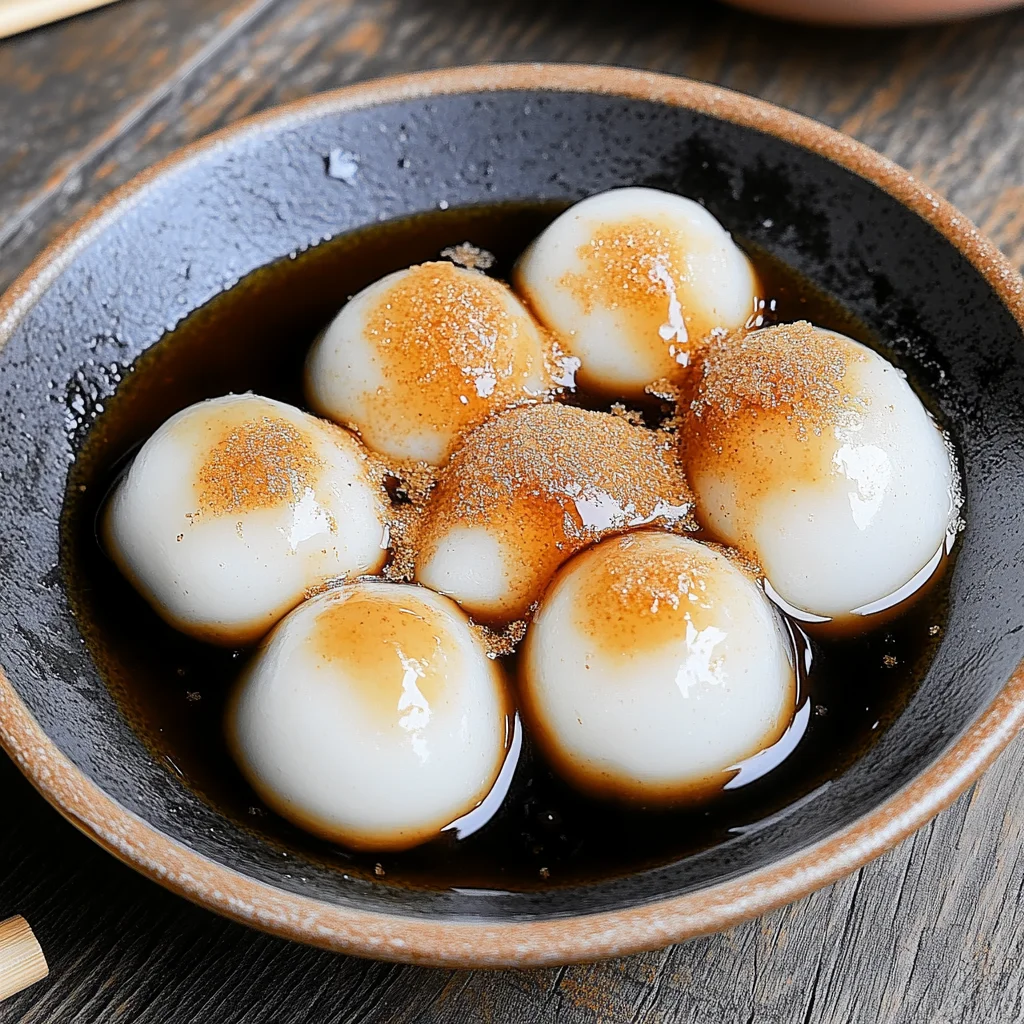
Storage & Reheating Instructions
Refrigerator Storage
- Store in an airtight container to prevent drying out.
- Consume within 2-3 days for optimal freshness.
Freezing Shiratama Dango (Rice Dumplings/Mochi Balls)
- Place on a tray lined with baking paper and freeze for 1 hour before transferring to a sealable freezer bag.
- They can be frozen for up to 1 month.
Reheating Shiratama Dango (Rice Dumplings/Mochi Balls)
- Oven: Preheat to 350°F (175°C) and heat for about 5-10 minutes until warm.
- Microwave: Microwave on low for 40-50 seconds at 600W, checking frequently.
- Stovetop: Steam over boiling water for a few minutes until warmed through.
Frequently Asked Questions
Here are some common questions about Shiratama Dango.
What is Shiratama Dango (Rice Dumplings/Mochi Balls)?
Shiratama Dango is a type of Japanese rice dumpling made from glutinous rice flour, known for its chewy texture and versatility in serving with various toppings.
Can I customize the toppings for Shiratama Dango?
Absolutely! You can serve Shiratama Dango with fresh fruits, sweetened red beans, or even ice cream for varied flavors.
How do I know when the Shiratama Dango is cooked?
They are ready when they float to the surface of the boiling water. This usually takes about 3 minutes of cooking time.
Can I use different types of flour?
While traditional recipes use glutinous rice flour, you can experiment with different types, but this may alter the texture slightly.
Final Thoughts
Shiratama Dango offers a delightful combination of chewiness and sweetness that makes it ideal for various desserts. Their versatility allows you to enjoy them with numerous toppings or even on their own. Don’t hesitate to experiment with fruits and syrups to find your perfect match!
Shiratama Dango (Rice Dumplings/Mochi Balls)
- Total Time: 25 minutes
- Yield: Approximately 10 servings 1x
Description
Shiratama Dango, also known as rice dumplings or mochi balls, are a delightful treat that combine a chewy texture with subtle sweetness. These traditional Japanese sweets can be enjoyed in various ways: drizzled with rich syrups, topped with fresh fruits, or paired with sweet red bean paste. Perfect for any occasion, from family gatherings to elegant dinner parties, Shiratama Dango are a versatile dessert that everyone will love.
Ingredients
- 100 g glutinous rice flour (shiratamako)
- 90 ml water
- Dark brown sugar syrup (kuromitsu)
- Roasted soybean powder (kinako)
Instructions
- In a mixing bowl, whisk together the glutinous rice flour and half the water until smooth. Gradually add remaining water until dough is soft and resembles an earlobe texture.
- Shape the dough into cylinders and cut into 10 equal pieces. Roll into balls and press a dent in each.
- Boil water in a pot and gently place dumplings inside. Once they float (about 3 minutes), transfer to ice water to cool for 5-10 minutes.
- Serve topped with dark brown sugar syrup and roasted soybean powder, or your favorite toppings.
- Prep Time: 15 minutes
- Cook Time: 10 minutes
- Category: Dessert
- Method: Boiling
- Cuisine: Japanese
Nutrition
- Serving Size: 1 serving
- Calories: 40
- Sugar: 3g
- Sodium: 1mg
- Fat: 0g
- Saturated Fat: 0g
- Unsaturated Fat: 0g
- Trans Fat: 0g
- Carbohydrates: 9g
- Fiber: 0g
- Protein: 1g
- Cholesterol: 0mg